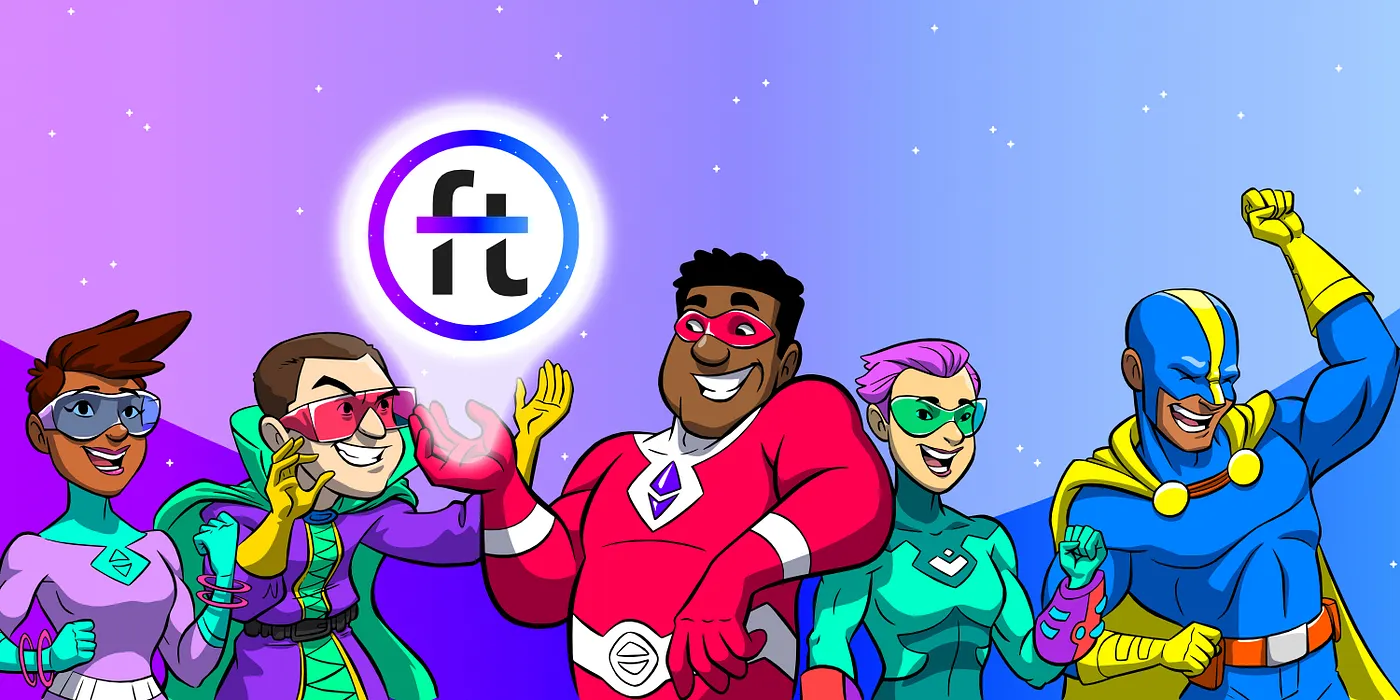
We talk about community a lot at Fairmint. But besides evoking a warm feeling of good cheer, what does the word “community” really mean in tech?
As Lou Kerner put it, community is “an ecosystem, where everyone gets more out of it than they put in.” We couldn’t agree more.
People are rebelling against the top-down ecosystem that gives only a few people at the top a voice. The way tech works now, “users” are spoken to, even though they’re the ones that make a product successful. Social media content is broadcast-like, offering no real connection. People are yearning for a place to hold two-way conversations and have a real say in the future of a business. They are looking to bond with other people over shared interests, ultimately getting something back in return.
We already see this movement towards cultivating community in the news. Neighborhoods are taking over their local coffee shops instead of letting them dry up. Influencers are stepping away from Tiktok to build small Discord and Telegram servers. Entrepreneurs are already seeing that community directly translates to customer loyalty. In the near future, “community ownership” will no longer be a buzzword. It will be a very real, mandatory structure of successful tech businesses. The top-down model of ownership will be shelved for a more dynamic, inclusive model that gives power to the people.
It’s vital that any new startup include its community from the beginning. But who exactly are they? Here are four key groups that make up productive and passionate communities:
Gig workers and freelancers
The gig economy will grow to $455 billion next year and is expected to surpass the full-time workforce by 2027. On top of that, freelancers now makeup 36% of the US workforce due to talent shortages, rising attrition rates, and increased access to global work platforms. Employees want to be recognized as individuals — not resources. If they feel disposable to a company, they will simply find a new job. By giving them equity, a company shows that they care about their freelancers and gig workers, even though they aren’t full-time.
Global employees
Remote work is a permanent fixture. One benefit of working from home is that it opens up borders, introducing more opportunities. Employers can hire talent outside of the confines of the largest metropolises, even across international borders. Fairmint is a way to reward global employees continually and compliantly, tying their equity to USDC, which is more stable than many international currencies.
Super fans
Let’s say you wrote a white paper or you posted on Product Hunt, and someone in the wide ocean of the Internet saw it. They instantly believed in you. As founders, we know that those first few people who really “get” what you’re doing are so much more than just users. They give you feedback, they believe in your mission, they support you. They are there for you in your darkest moments as you spend nights fixing the bugs in your platform. With Fairmint you can reward them with more than thanks — you can give them a part of the company.
Traditional investors
Traditional investors have gotten a bad rap from entrepreneurs because they are notoriously hard to convince. In actuality, they are merely risk averse. Community buy-in is a strong indicator of the success of a product. Investing in companies that are actually run by communities will be what they’re looking for.
The world is changing. As Gen Z matures and the metaverse becomes more than a buzzword, small communities, where voices are equally heard, will be the norm. Future-proof your business by identifying key groups in your community and incentivizing them from the start.